 Hazelnut Shell Barbecue Charcoal₺210
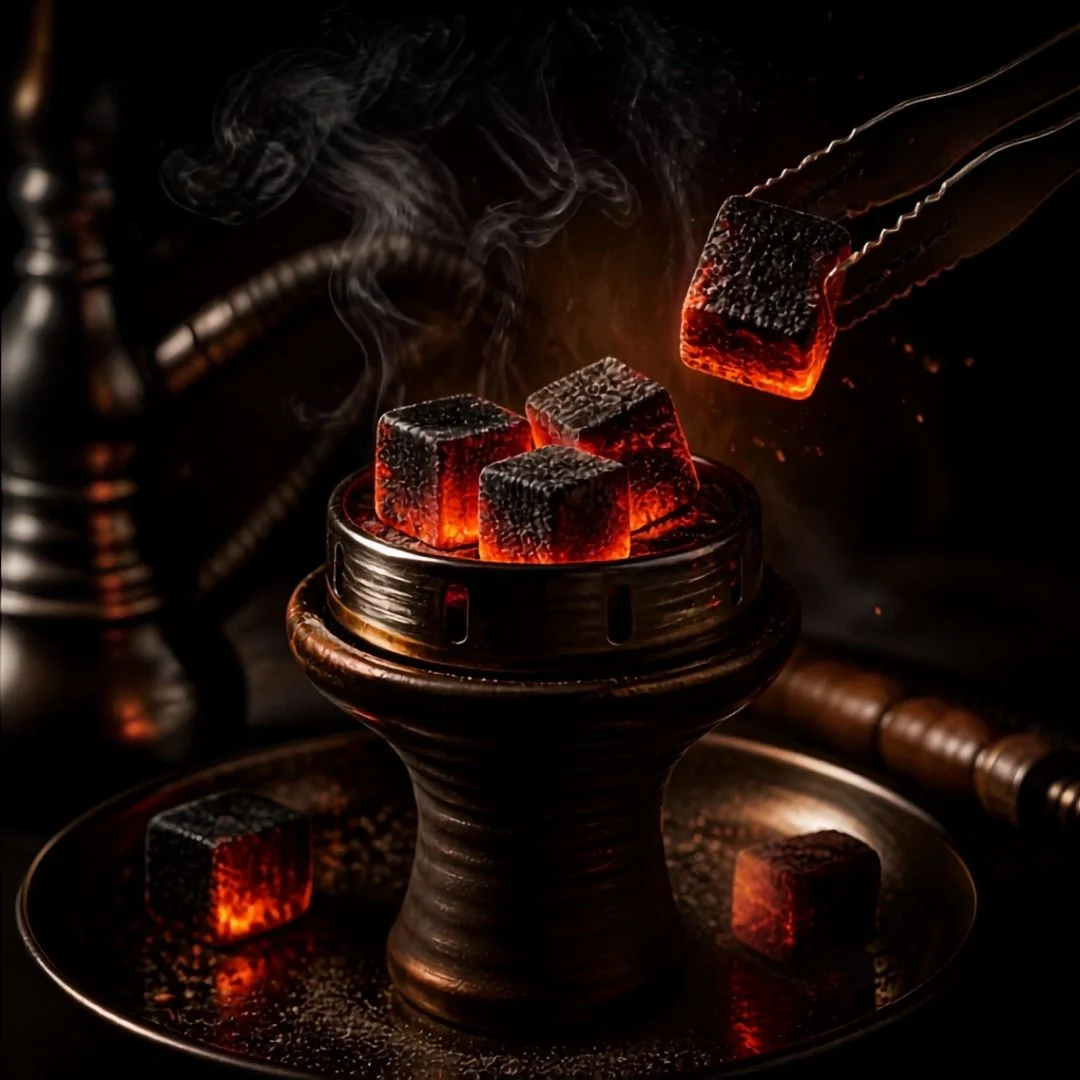
Hazelnut Shell Hookah Charcoal
Clean-burning hookah charcoal that keeps tobacco flavor
Options
PackagingRequired
₺350.00
Highlights
High fixed carbon
long burn
Low smoke and low ash
Natural content
cubes and other forms
About This Item
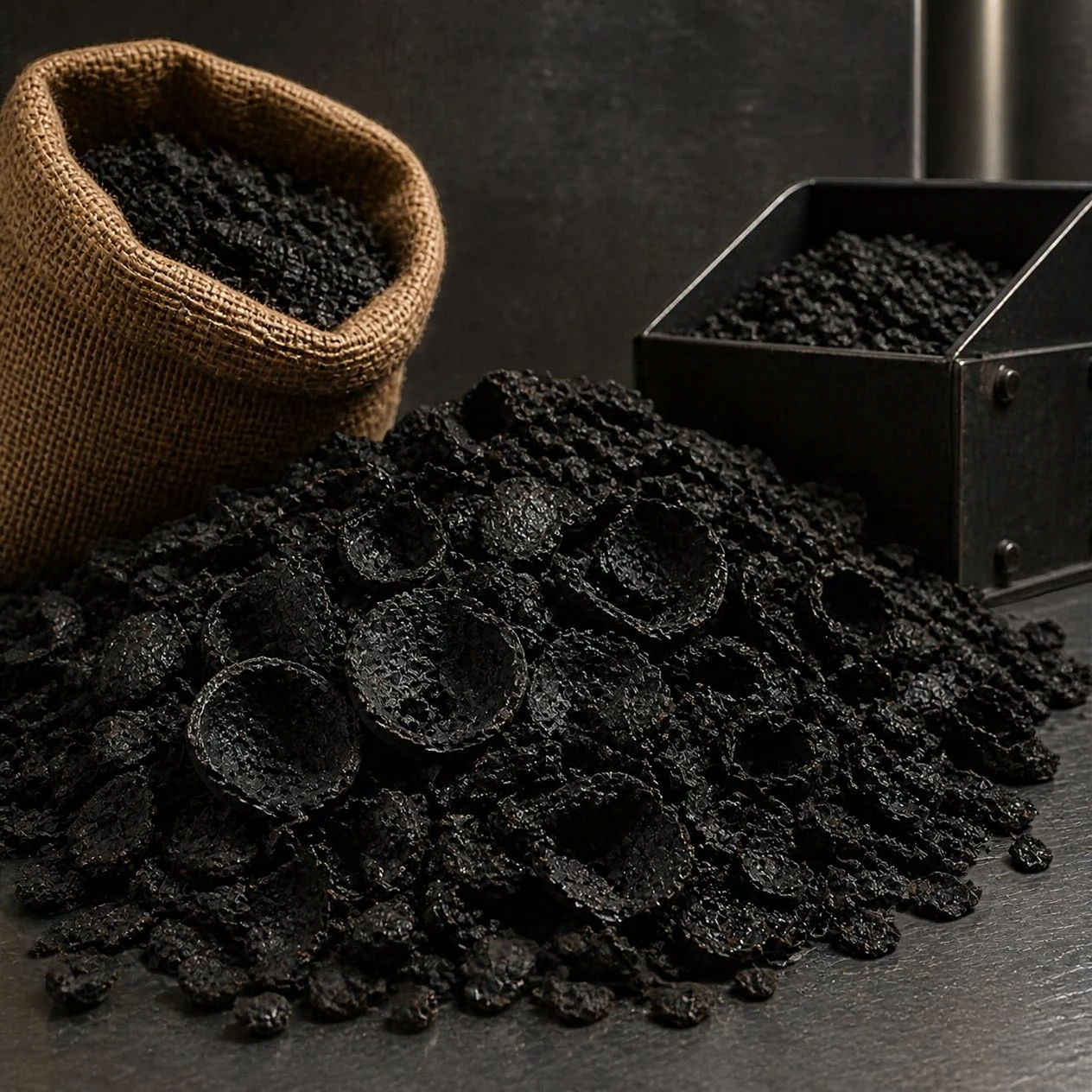
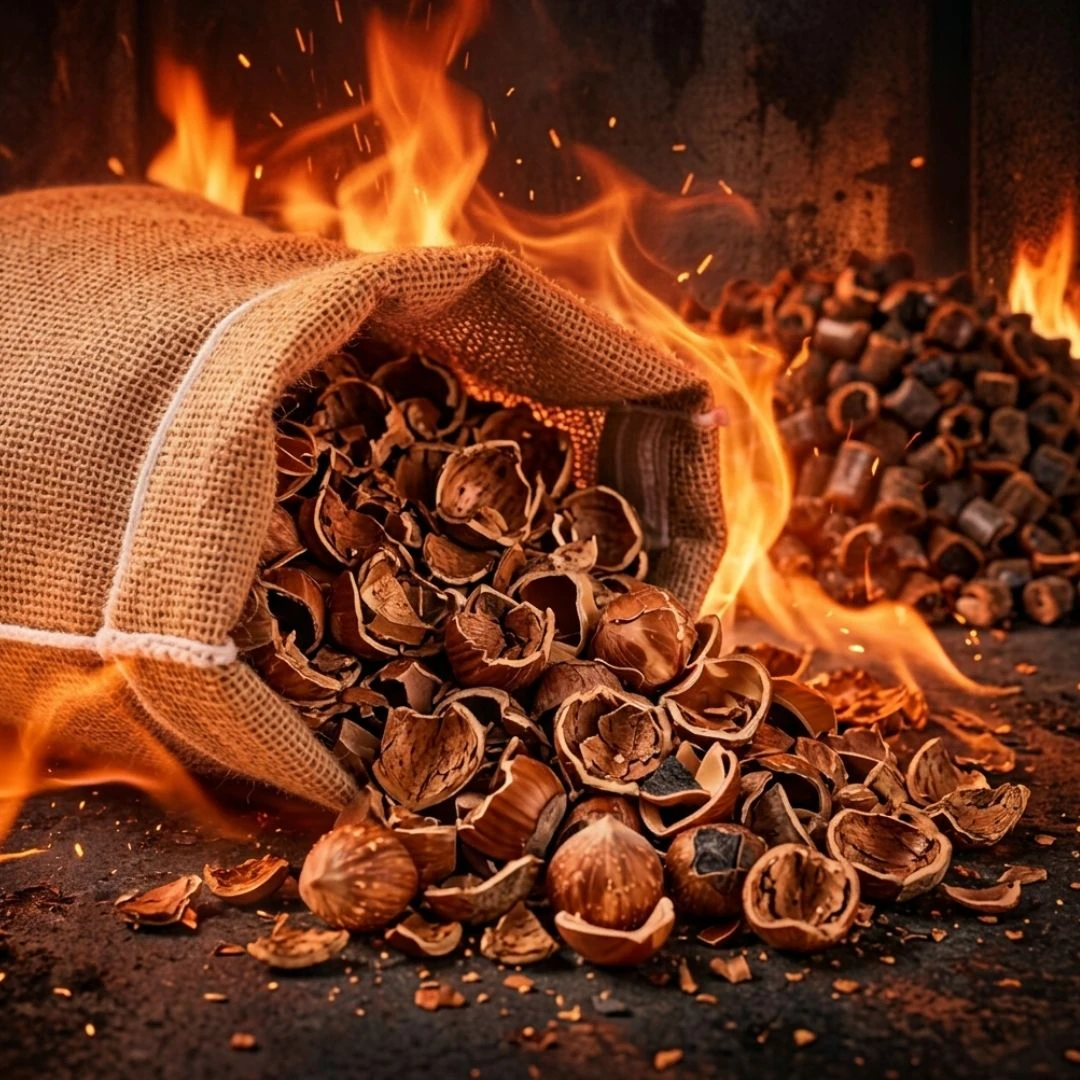
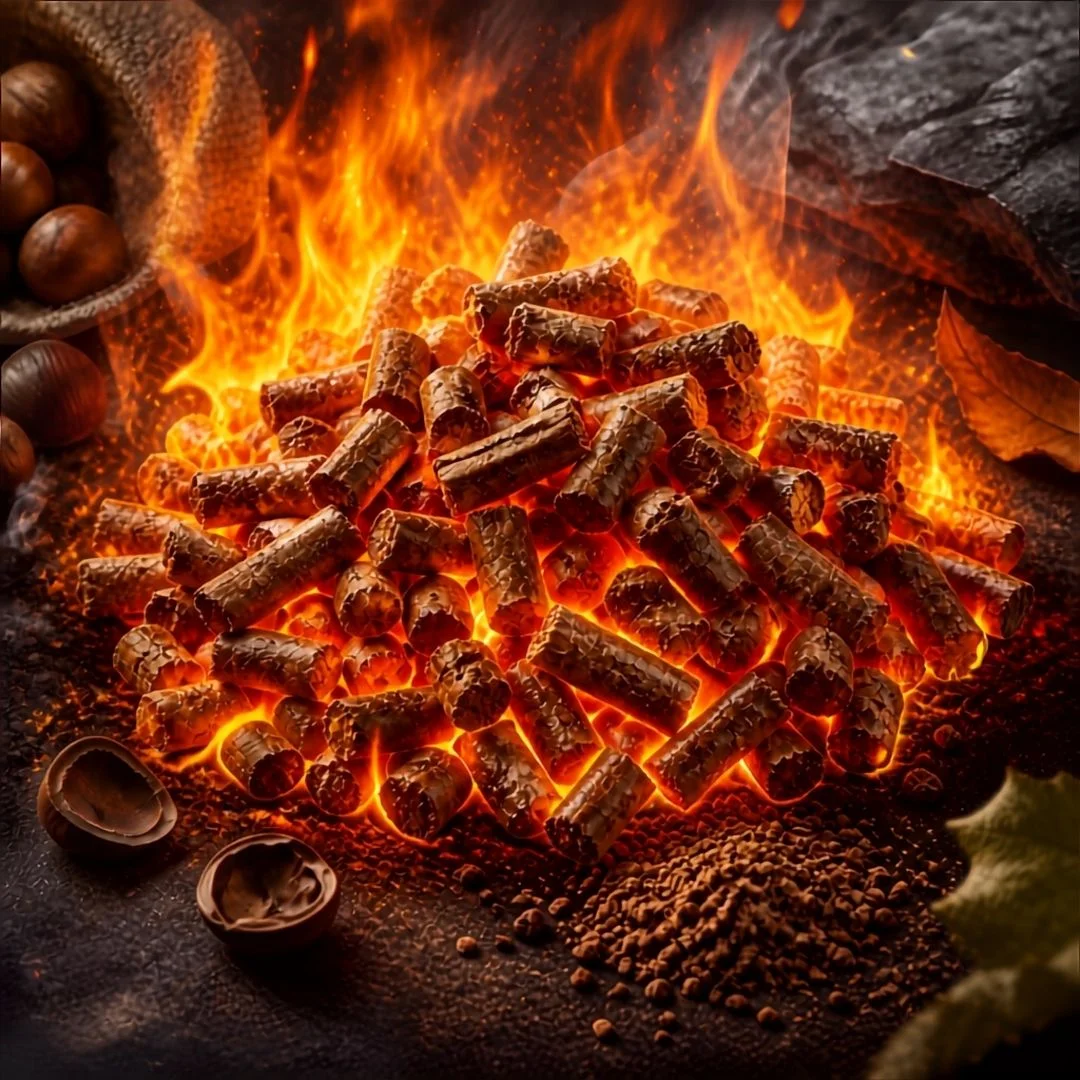
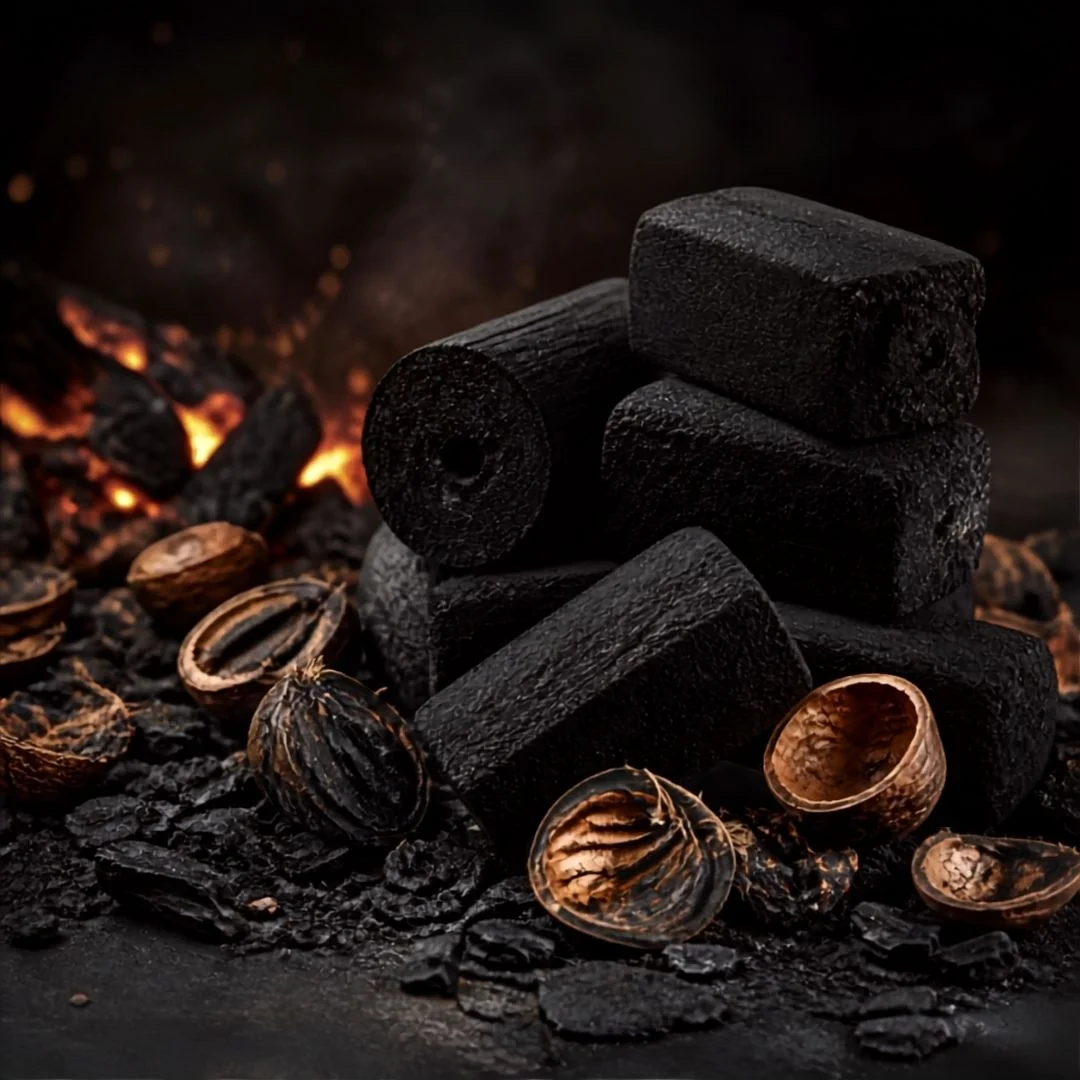
The long, steady heat of shisha charcoal is no accident; it comes from controlled carbonization of the shell and the briquetting recipe. Hazelnut shell offers a dense, low-brittleness carbon skeleton, with lignin reported at ~35–40% in the literature. For shisha lounges and indoor venues Fully pyrolyzed charcoal carries no residual volatiles and does not spoil the tobacco aroma. Low ash means cleaner burning in the bowl and less cleaning in service. Pressed briquettes spark far less than natural lump; safer for indoor use. For shisha-charcoal brands and wholesalers The hexagonal form with a central hole feeds airflow from the centre, so each piece lights evenly from inside out. Batch consistency depends on a standard raw material: moisture, fixed carbon, ash and particle size defined together. Technical values Parameter Typical value (batch = by analysis) Lignin (raw material) ~35–40% (dense carbon skeleton) Carbonization band 600–800 °C (high fixed carbon, low volatiles) Ash colour (quality) white–light grey (dark = incomplete carbonization) Binder starch (organic, low ratio) Form and supply Holed hexagonal or cube form; grinding and pressing to the target size. For international supply enquiries we provide batch-based samples and quotes. Related: From shell to charcoal: carbonization and briquetting · Barbecue charcoal
Return and Withdrawal Policy
The Buyer may exercise the right of withdrawal within 14 days from the delivery date. For a return, the product must be unused and in its original packaging. Once a return is approved, we direct the shipping process. In wholesale and quote-based B2B orders, returns and exchanges are handled through communication according to the nature of the order. See our Distance Sales Agreement page for the detailed terms and conditions.
Frequently Asked Questions
White–light grey ash signals full carbonization and low impurities; dark ash means incomplete pyrolysis or foreign matter; confirmed first by sample and analysis.
The hexagonal form with a central hole feeds airflow from the centre, so each piece lights evenly from inside out and gives a steadier heat.
A fully pyrolyzed charcoal carries no residual volatiles; it leaves no smoky taste and does not spoil the tobacco aroma. Pressed briquettes spark less than natural lump.
You may also like