 Hazelnut Shell Chemistry & Cosmetics₺16,660

Hazelnut Shell Activated Carbon
High-lignin, low-ash, single-origin activated-carbon precursor
Highlights
High surface area
Low ash, hard shell source
Granular / powder form
About This Item
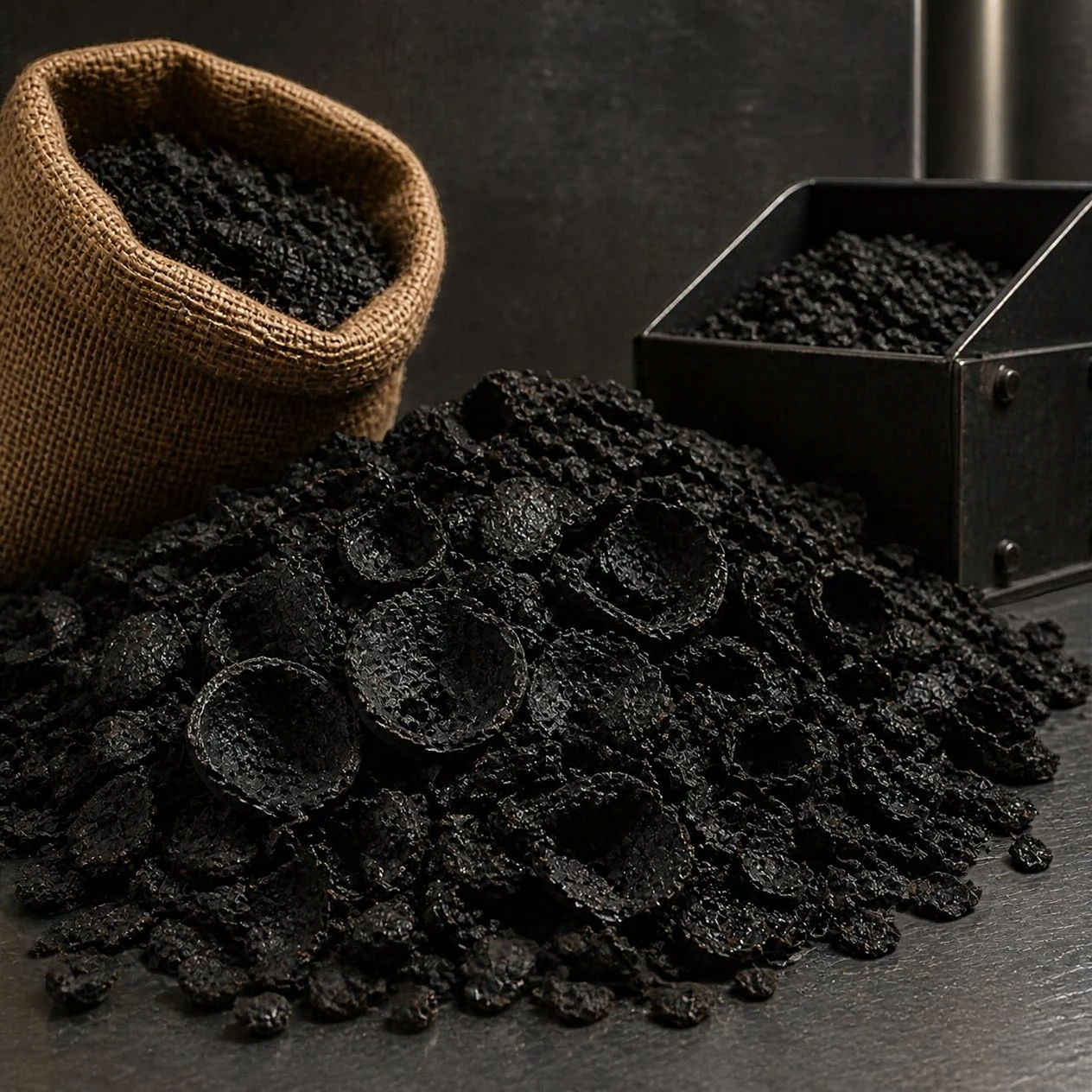
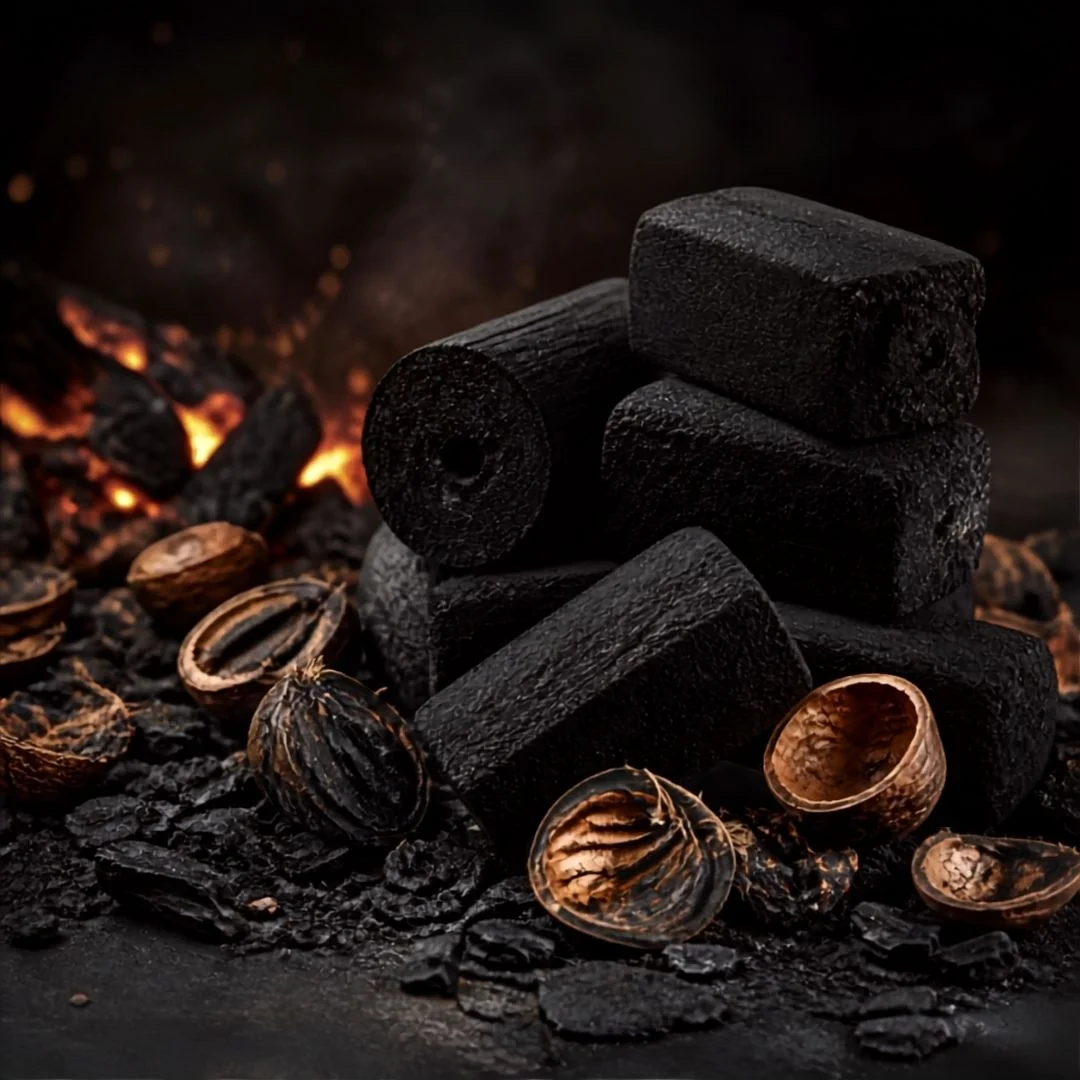
The most valuable form of hazelnut shell is not fuel but an activated-carbon precursor. The difference lies in one property: surface area. Raw shell has a BET surface area of ~1.68 m²/g in the literature, rising to ~666 m²/g under slow pyrolysis; chemical activation (KOH/K₂CO₃) develops the pore structure further. Water, gas and oil treatment applications Hazelnut-shell activated carbon and biochar have been studied for heavy-metal removal (lead, cadmium, copper, zinc), dye and antibiotic treatment, VOC capture and the upgrading of waste frying oil. The target pore structure varies by application. Raw-material standard for activated-carbon producers Activation consistency depends on raw-material discipline: particle size, ash, moisture and single origin. Mixed shell gives a different pore structure each batch; sieved, dry, single-origin shell is the cheapest insurance for an activation line. Technical values Parameter Typical value (batch = by analysis) BET surface area (raw → pyrolysis) ~1.68 → ~666 m²/g (literature) Ash 1–3% (little dead weight in activated carbon) Lignin ~35–40% (carbon-skeleton advantage) Activation physical (pyrolysis) or chemical (KOH/K₂CO₃) Supply and packaging Bulk, sacks or big-bags; grinding to the target particle size. For international supply enquiries we provide batch-based quotes and samples. Related: Activated-carbon raw material: hazelnut shell · What is raw hazelnut shell used for?
Return and Withdrawal Policy
The Buyer may exercise the right of withdrawal within 14 days from the delivery date. For a return, the product must be unused and in its original packaging. Once a return is approved, we direct the shipping process. In wholesale and quote-based B2B orders, returns and exchanges are handled through communication according to the nature of the order. See our Distance Sales Agreement page for the detailed terms and conditions.
Frequently Asked Questions
No; target surface area, micro–meso pore distribution, hardness, ash and particle size are defined together for your process, and confirmed first by sample and analysis.
High lignin (~35-40%) gives a carbon-skeleton advantage, low ash (1-3%) reduces dead weight, and supply is domestic and regular; logistics cost and supply risk are lower than imported coconut shell.
It has been studied in water, gas and oil treatment: heavy-metal removal, dye and antibiotic treatment, VOC capture and waste-oil upgrading. The target pore structure is defined together by application.
You may also like